Table of Contents
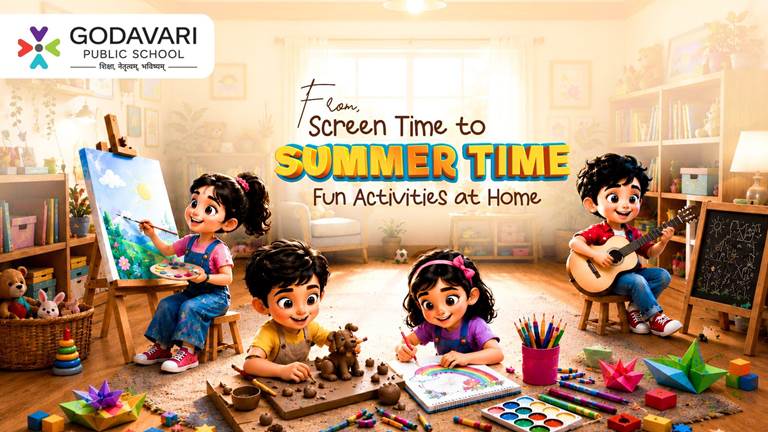
screen-free summer activities for children Summer vacation often brings excitement for children and a challenge for parents. With schools closed and long days ahead, many children naturally turn toward mobile phones, television, gaming consoles, and tablets for entertainment. While digital devices can be useful in moderation, excessive screen time during summer can affect physical activity, creativity, sleep routines, and social interaction. That is why planning a screen-free summer filled with meaningful and enjoyable activities becomes important for every family.
A screen-free summer does not mean children need to feel bored or restricted. In fact, it opens the door to creativity, imagination, learning, and stronger family bonding. From indoor creative games to outdoor adventures, there are countless fun activities to keep children engaged at home without depending on screens all day.
Screen-Free Summer: Fun Activities to Keep Children Engaged at Home
Children today spend a large amount of time looking at screens for studies, entertainment, and social interaction. During summer holidays, screen usage often increases even more. A screen-free summer helps create a healthier balance between digital life and real-life experiences.
Reducing screen time encourages children to improve communication skills, develop hobbies, strengthen creativity, and stay physically active. It also helps improve concentration, emotional well-being, and sleep quality. Most importantly, screen-free activities allow children to create lasting memories with family and friends. At Godavari Public School, students are encouraged to participate in creative, physical, and interactive activities that support overall development beyond digital screens.
Creative Art and Craft Activities for Children
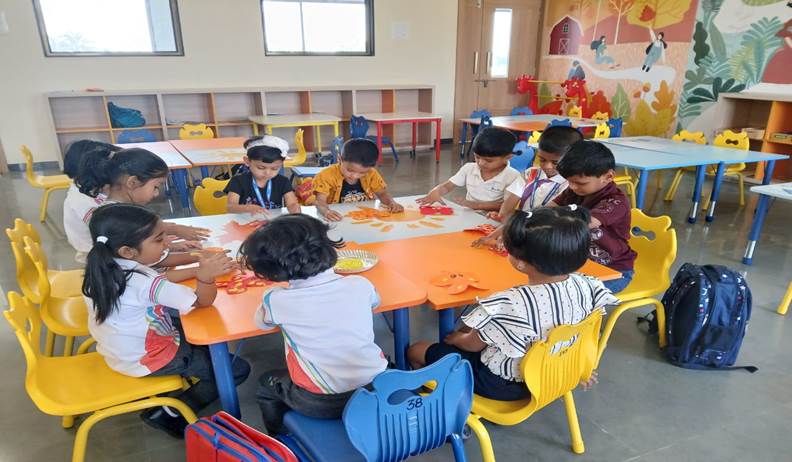
Art and craft activities are among the best ways to keep children engaged at home during the summer. They encourage imagination while improving their skills and patience.
Children can enjoy activities like:
- Painting and sketching
- DIY greeting cards
- Paper folding
- Clay modeling
- Handmade jewellery
- Recycled craft projects
1. Reading Habits That Make Summer Productive
Summer is the perfect time to build strong reading habits in children. Reading improves vocabulary, imagination, concentration, and communication skills.
Create a cozy reading space at home and encourage children to choose books based on their interests. Storybooks, comics, educational magazines, and adventure novels can make reading enjoyable rather than compulsory
2. Gardening: A Fun Learning Activity at Home
Gardening is one of the most rewarding screen-free summer activities for children. It teaches patience, responsibility, and appreciation for nature.
Children can plant flowers, herbs, or vegetables in pots or small garden spaces. Watering plants daily and watching them grow creates excitement and curiosity. Gardening also introduces children to environmental awareness and healthy habits.
3. Family Bonding Activities Without Screens
One of the biggest benefits of a screen-free summer is stronger family bonding. Children value attention, love, and shared experiences far more than expensive gadgets or endless screen time. Simple activities done together as a family can create joyful memories that stay with children for years.
Families can enjoy game nights, evening walks, storytelling, scrapbook making, and DIY activities together. These simple moments strengthen family bonds and help children feel loved, connected, and emotionally secure.
4. Music and Dance Activities for Children
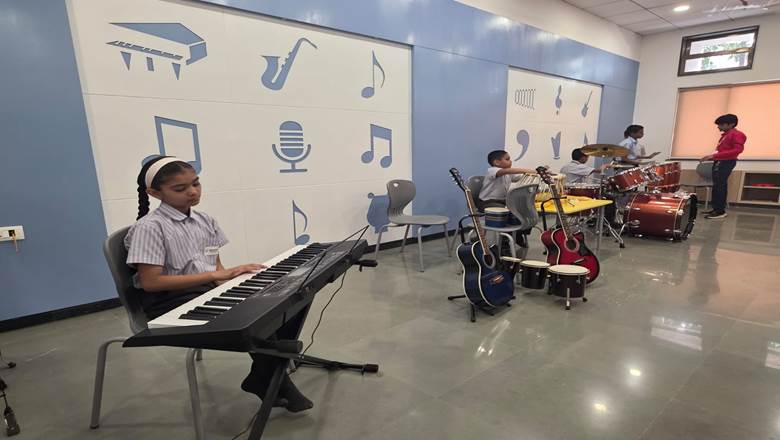
Music and dance are wonderful ways to keep children active, happy, and creative during summer holidays. Children can enjoy dancing, singing with family, playing musical instruments, or participating in fun talent shows at home.
These activities improve confidence, coordination, creativity, and self-expression while creating a joyful, energetic, screen-free summer atmosphere.
5. Outdoor Activities for a Healthy Screen-Free Summer
Outdoor activities are important for children’s physical and mental well-being during summer holidays. Fresh air, sunlight, and active play help children stay energetic, healthy, and happy while naturally reducing screen time.
Activities like cycling, nature walks, cricket, football, skipping rope, picnics, water balloon games, and stargazing make summer more enjoyable and exciting. Outdoor play also helps improve fitness, confidence, and social skills while encouraging children to explore and connect with the world around them.
Final Thoughts
A screen-free summer is not about removing fun from children’s lives. It is about replacing excessive screen time with meaningful experiences that inspire creativity, learning, movement, and connection. Simple activities like gardening, reading, cooking, crafts, and outdoor games can keep children engaged at home while supporting their emotional and physical development.
The best screen-free summer activities are those that encourage children to explore their imagination, discover new hobbies, and spend quality time with family.
By creating a balance between entertainment and meaningful engagement, parents can turn summer holidays into a joyful and enriching experience for children.
FAQ
1. Why is a screen-free summer important for children?
A screen-free summer helps children stay physically active, improve creativity, build social skills, and develop healthier daily habits. It also encourages stronger family bonding and reduces excessive screen dependency.
2. How can parents reduce screen time during summer vacations?
Parents can reduce screen time by planning engaging activities like outdoor games, arts and crafts, reading, gardening, cooking, and family bonding activities that keep children entertained naturally.
3. How can parents keep children engaged at home during summer holidays?
Parents can create a daily routine filled with creative hobbies, outdoor play, family activities, reading time, and hands-on learning experiences to keep children happily engaged at home.
4. What are the best educational screen-free activities for summer?
Reading books, gardening, science experiments, journaling, creative writing, and cooking are excellent educational activities that make learning fun during summer holidays.
5. Can screen-free activities help improve children’s creativity?
Yes, activities like painting, crafting, music, storytelling, and imaginative games encourage creativity, self-expression, and problem-solving skills in children.