Table of Contents
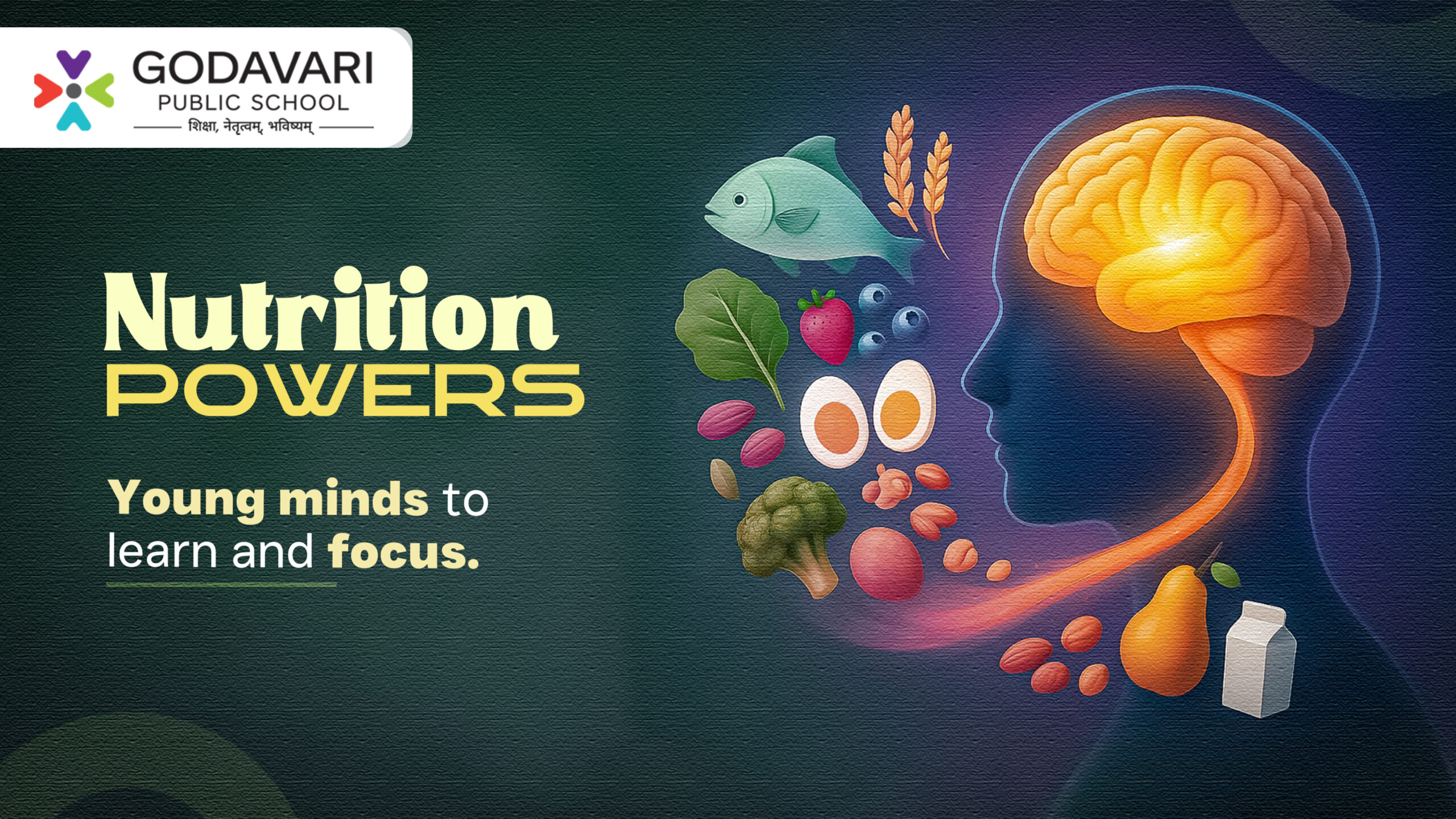
Foods That Boost Memory & Concentration
Discover the top foods that can help improve memory and focus for young minds.
Introduction
At Godavari, we want to see each child excel in life, whether academically, emotionally, or socially. Healthy habits, supportive teachers, and effective teaching all play an important role in helping the child flourish, but the factor that tends to be neglected is ‘what is put on the plate?’ Food acts as fuel for both the brain and body, and making the right food choices can have a profound effect on mood, memory and focus. This is where the topic of nutrition for young minds comes into play, as it is a very necessary component for their long-term health and mental well-being.
During childhood, the brain grows at a rapid pace. Neurons help generate new connections rapidly, which helps youngsters learn, grow, solve problems, and maintain emotional stability. Here at Godavari, we help children feed their brains with the proper nutrition that helps kids focus in class, retain what they’ve learned, and maintain their positive mindset throughout the day.
Foods That Improve Memory and Focus in the Brain
1. Fatty fish:
Fatty fish such as sardines (small fish), mackerel (Bangda), and salmon contain omega-3 fatty acids, which are referred to as “brain food” for a specific reason. They are essential for building the membranes of brain cells and also help in generating interactions between neurons. According to studies, kids who get enough omega-3 fatty acids usually have longer attention spans and better memory retention. Try preparing kid-friendly fish patties for dinner or substituting salmon sandwiches for lunch.
2. Eggs
Eggs contain choline, a nutrient required for brain development and memory function. They also provide high-quality protein, which helps in maintaining their energy levels. A simple boiled egg in the morning, or scrambled eggs packed into a wrap, is a very simple and affordable method to increase your child’s food intake.
3. Berries
Blueberries, strawberries, and blackberries are high in antioxidants, especially vitamin C and flavonoids, which help protect the brain from the effects of cell damage. These compounds may improve brain cell communication, which leads to better memory and learning. Berries can be added to breakfast cereal, combined with smoothies, or served fresh as an after-school snack.
4. Leafy greens.
Spinach, cabbage, and other green leafy vegetables contain folate (B9), vitamin K, and antioxidants such as lutein, which contribute to improving cognition and focus among kids. They also contain iron, magnesium and fibre. Greens can be included in pasta sauces, blended into fruit smoothies, or served as crispy baked chips that will appeal to the taste buds of the younger minds.
5. Nuts and seeds.
Almonds, walnuts, pumpkin seeds, and sunflower seeds consist of a variety of healthy fats, vitamin E, and zinc, all of which are vital for the functioning of the brain. A small portion of it can make for a tasty snack, and it can also be sprinkled on yoghurt and porridge for a little extra flavour.
6. Whole grains
Oatmeal, brown rice, and whole-grain bread provide an adequate amount of glucose, the brain’s main energy source. Whole grains, unlike packaged carbohydrates, deliver energy over time, keeping children alert and fully focused during class. Consider oatmeal breakfasts or whole-grain-wrapped items instead of white bread sandwiches.
7. Yogurt
Yogurt, which is high in protein and probiotics, builds not only gut health but also the gut-to-brain connection, which scientists now believe enhances mental and emotional health. To reap the health benefits, choose plain yogurt topped with fresh fruit over sugary products.
These foods are the building blocks of nutrition for young minds that supply the right nutrients that children need to stay focused, learn effectively, and feel good about themselves.
Practical Tips for Parents
Knowing what kinds of foods are healthy is only half the battle won; the bigger challenge is convincing children to eat them. We suggest you to implement some practical ways to include nutrition in the everyday meals of young minds, without making their mealtimes difficult to accomplish:
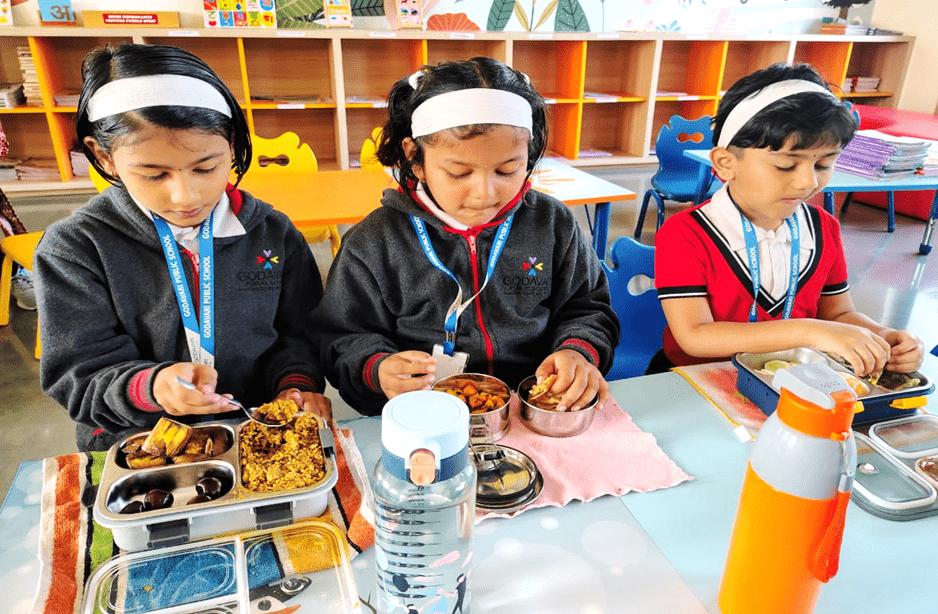
- Get children involved in the process: Allow them to join you in choosing food items at the market or adding ingredients in the kitchen. If they get involved in making something, there are fewer chances that they will resist the food.
- Make it fun: Make it exciting by arranging food in colorful patterns, cutting sandwiches with cookie cutters, or mixing layers of cheese, fruit, and nuts to make “brain food” snack dishes.
- Blend and mix: You can add veggies, seeds, nuts, or yogurt to smoothies, soups, and sauces without altering the flavor.
- Set a good example: Kids imitate the actions of adults. They will be interested in trying whole grains and leafy vegetables if they observe you eating them.
- Make a plan: To make sure that healthy alternatives are always available for chaotic mornings and evening snacks, store small containers of nuts, fruit, and yogurt.
By using the above methods, you can transform the idea of nutrition for young minds into an enjoyable part of their life rather than just a one-time goal.And Godavari’s staff is here to help parents reach the goal of nutrition balance.
Other Health-Related Tips
Food and diet play a major role in the overall health of the body, but they work even better along with other healthy habits such as getting enough sleep, exercising, meditating and reducing screen time. The health benefits of eating a balanced diet can be improved even more by parents who encourage their children to play outside, drink plenty of water, and relax before bed. Consider it a holistic approach: lifestyle choices ensure that the brain continues to function at its peak, while food provides nourishment for it.
Conclusion:
As they say, “you are what you eat”, it goes well when it comes to the growth of the brain. Making thoughtful food choices can help kids do better in school and in life by enhancing their mood, memory, and concentration. We suggest that Nutrition for Young Minds should be a family priority because you are investing in the ability of your kid to concentrate, learn and flourish.
Start small. Try a new leafy green recipe once a week, add berries to breakfast, or substitute processed food items with whole ones. These minor changes have a significant, long-lasting effect on your child’s ability to learn. With a little effort and enthusiasm, feeding young minds for their growth also becomes an enjoyable task for the whole family.
Frequently Asked Questions (FAQs)
1. What are the best foods to improve memory and concentration in children?
Foods like fatty fish, eggs, berries, leafy greens, nuts, seeds, yogurt, and whole grains support brain development and boost memory, focus, and learning abilities in growing children.
2. How does nutrition affect a child’s brain development?
Proper nutrition fuels neurons, strengthens brain connections, enhances mood, improves attention span, and boosts learning capacity, making it essential for academic and emotional growth.
3. Why does Godavari emphasize nutrition for young minds?
Godavari believes that learning is not just about teaching, it’s about nourishing the brain. By promoting healthy eating habits, the school helps students stay focused, energetic, and mentally balanced throughout the day.
4. How can parents include brain-boosting foods in their child’s daily meals?
Parents can involve kids in meal preparation, make food visually appealing, blend veggies into smoothies, replace processed foods with whole grains, and keep healthy snacks like nuts and fruits ready.
5. How can small food changes make a big difference in a child’s learning ability?
Replacing refined foods with whole grains, adding berries to breakfast, including leafy greens weekly, and offering nutrient-dense snacks gradually improve memory, concentration, mood, and learning outcomes.