
Table of Contents
Screen-Free Summer Activities Summer vacations once meant cycling with friends, storytelling with grandparents, messy art projects, and evenings spent outdoors. Today, for many children, summer often looks very different, with hours spent scrolling screens, watching videos, or playing online games indoors. While technology is now part of everyday life, childhood still needs creativity, movement, imagination, and real human connection.
Over the years, summer vacations have changed significantly. Earlier, children spent their holidays playing outdoor games, visiting relatives, exploring hobbies, reading books, and spending quality time with family and friends. Today, digital entertainment has slowly replaced many of these experiences. Mobile phones, tablets, online games, social media, and streaming platforms now occupy a large part of children’s daily routines.
What children lose because of excessive screen dependency
Outdoor activies for children today spend a large amount of time looking at screens for studies, entertainment, and social interaction. During summer holidays, screen usage often increases even more. A screen-free summer helps create a healthier balance between digital life and real-life experiences.
Reducing screen time encourages children to improve communication skills, develop hobbies, strengthen creativity, and stay physically active. It also helps improve concentration, emotional well-being, and sleep quality. Most importantly, screen-free activities allow children to create lasting memories with family and friends. At Godavari Public School, students are encouraged to participate in creative, physical, and interactive activities that support overall development beyond digital screens.
Why Boredom Is Actually Important for Children
best school in nashik
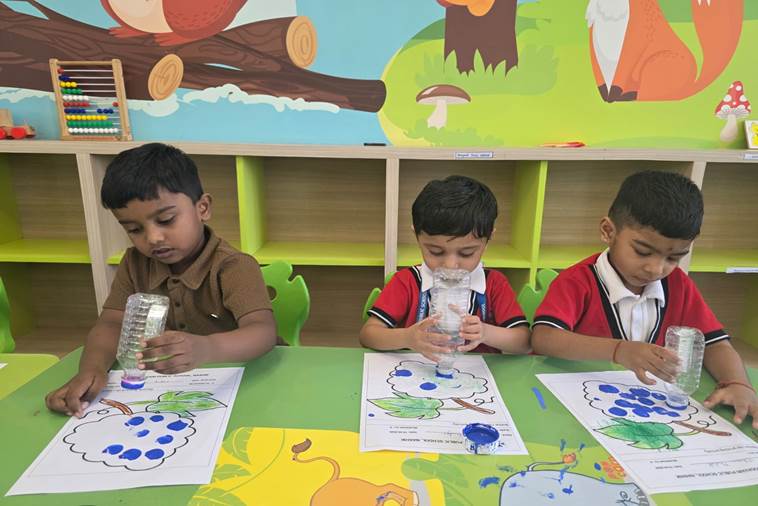
Constant entertainment from screens leaves very little room for imagination. When children feel bored, they naturally begin creating games, stories, ideas, and conversations. Boredom often becomes the starting point of creativity and independent thinking.
Schools like Godavari Public School believe that giving children opportunities to explore activities beyond screens helps them become more confident, creative, and socially active individuals. Boredom also teaches patience and encourages children to become comfortable with their own thoughts instead of depending on screens for constant excitement.
Building Healthy Summer Routines for Children
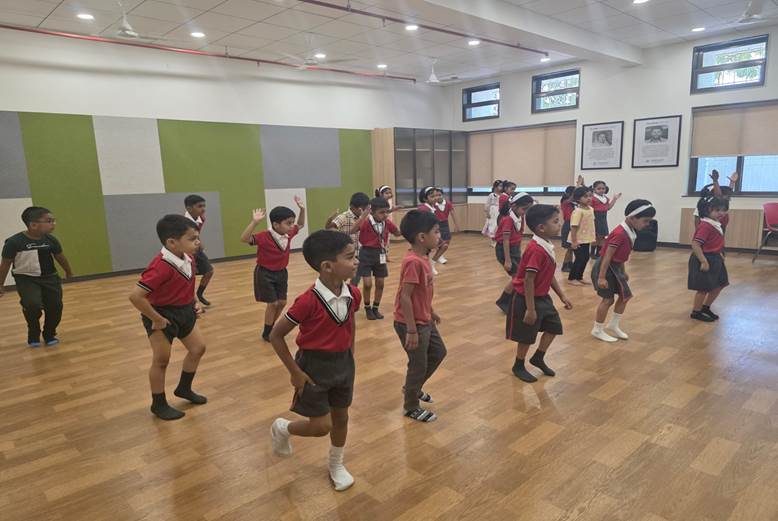
- Physical activity routine
- Healthy eating habits
- Reading time
- Outdoor playtime
- Limited gadget hours
Engaging in Screen-Free Summer Activities
The Growing Challenge of Screen Dependency
1. Shorter Attention Spans
Constant exposure to short videos, fast-paced games, and instant digital entertainment can make it difficult for children to focus for long periods. Many children become used to quick stimulation, which affects their patience during studies, reading, or classroom learning. Over time, this can reduce concentration levels, impact academic performance, and make children easily distracted even during important tasks.
2. Less Outdoor Play
Earlier, summer vacations were filled with outdoor games, cycling, running, and spending time with friends in parks or playgrounds. Today, many children prefer spending hours indoors with mobile phones, tablets, or gaming consoles. Reduced physical activity can affect fitness, energy levels, social interaction, and overall physical development. Lack of outdoor play may also increase the risk of unhealthy lifestyles and reduced emotional well-being.
3. Reduced conversations
Excessive screen time often limits meaningful conversations with family members and friends. Instead of interacting, many children spend more time texting, watching videos, or scrolling through content online. This can slowly affect communication skills, emotional expression, and confidence in social situations. Children may become less comfortable sharing thoughts, participating in discussions, or building strong personal connections.
4. Sleep disturbance
Using screens late at night can negatively affect a child’s sleep cycle. The blue light from mobile phones, televisions, and tablets can make it harder for the brain to relax and fall asleep naturally. Poor sleep can lead to tiredness, low energy, mood swings, difficulty concentrating in school, and reduced productivity throughout the day. Healthy sleep habits are important for both mental and physical growth in children.
5. Emotional irritability
Spending long hours on screens can sometimes make children more impatient, emotionally sensitive, or easily frustrated. They may become irritated when devices are taken away or when they are asked to participate in non-digital activities. Excessive screen dependency can also reduce emotional balance and increase stress or restlessness. Encouraging children to participate in creative activities, outdoor play, and family interactions can help improve emotional well-being and develop healthier habits.
How Parents Can Encourage a Screen-Free Routine
- Setting screen-time limits
- Creating activity schedules
- Involving children in household activities
- Planning family time
- Becoming role models by reducing phone usage.
Final Thoughts
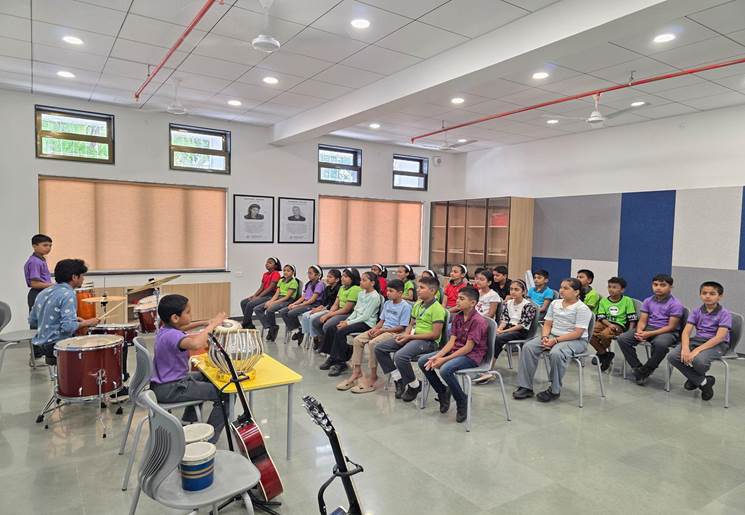
At Godavari Public School, we believe childhood should be filled with exploration, creativity, collaboration, and meaningful experiences beyond digital screens. Through interactive learning, creative activities, and student engagement initiatives, we encourage children to develop real-world skills and healthy habits that support holistic growth.
Through interactive classroom learning, sports, arts, group activities, and student engagement programs, we encourage children to build confidence, communication skills, teamwork, creativity, and emotional well-being. We aim to create an environment where students not only grow academically but also develop healthy habits, positive values, and life skills that help them become responsible, confident, and well-rounded individuals for the future.
Let this summer become a season of creativity, friendships, outdoor adventures, and meaningful learning beyond screens at Godavari Public School, where every child is encouraged to grow, explore, and shine beyond academics.
Frequently Asked Questions (FAQs)
1. How does excessive screen time affect children?
Too much screen exposure can lead to shorter attention spans, sleep disturbances, reduced outdoor play, emotional irritability, and weaker social interaction skills.
2. How does boredom help children grow?
Boredom encourages imagination, independent thinking, creativity, and problem-solving skills. It gives children opportunities to explore new ideas and hobbies.
3. What are the benefits of a screen-free summer routine?
A balanced routine helps children improve sleep quality, emotional health, physical activity, concentration, creativity, and family bonding
4. Can limiting gadgets improve children’s sleep quality?
Yes, reducing screen exposure before bedtime helps children sleep better, feel more energetic, and stay mentally refreshed.
5. Why should summer vacations include both learning and fun?
Balanced summer activities help children stay mentally active while also enjoying creativity, relaxation, exploration, and emotional growth.